
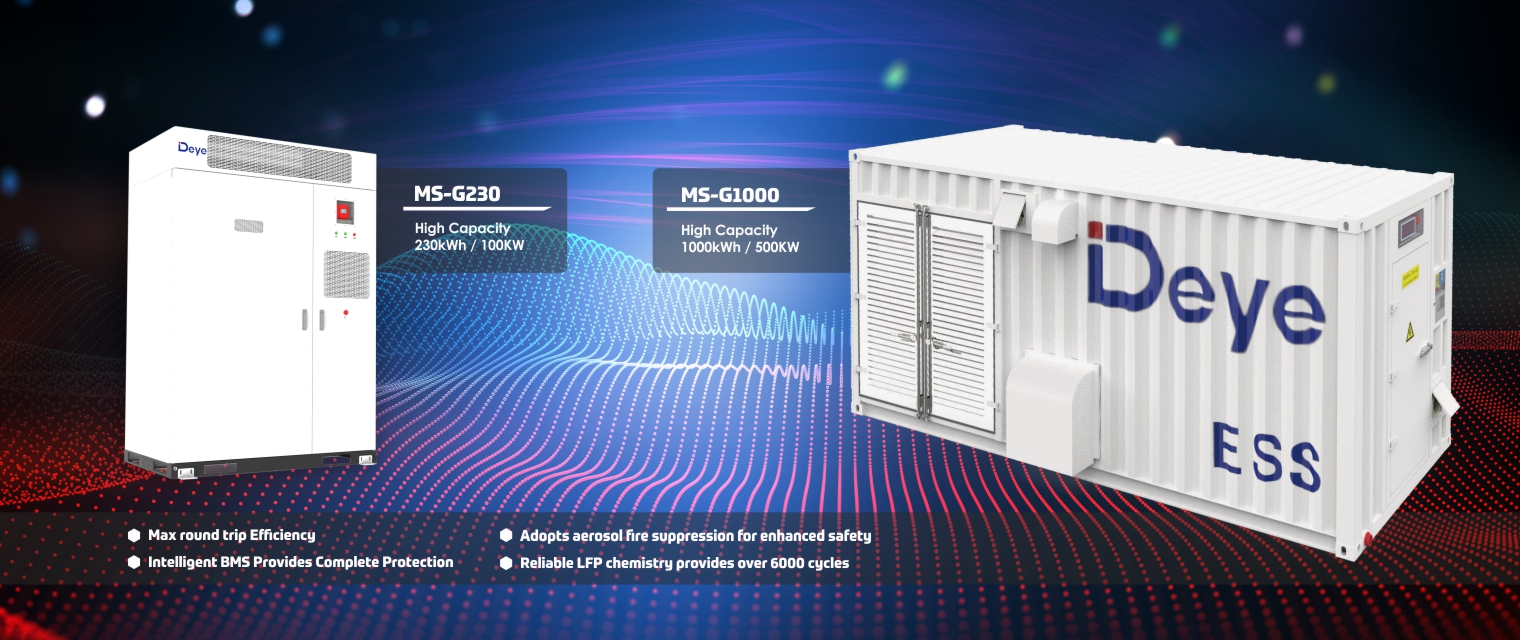
Battery Energy Storage System (BESS)
A Battery Energy Storage System (BESS) is becoming a vital component in today’s evolving energy landscape. With the increasing demand for renewable energy and electrification, BESS provides a reliable and efficient power solution that helps reduce carbon emissions, optimize energy costs, and strengthen a sustainable grid.
A BESS functions like a large-scale rechargeable battery. It stores electricity when it is available in excess—especially from renewable sources such as solar and wind—and delivers it when demand is high.
In addition to supplying power for your business during peak demand, a BESS also acts as a dependable backup during power outages or grid disruptions. This ensures uninterrupted operations and improved energy reliability.
By enabling better energy management, a BESS helps reduce electricity costs through peak shaving and load shifting. At the same time, it supports a greener future by minimizing dependence on non-renewable energy sources.
Battery Energy Storage System (BESS) – FAQ
1. What is BESS?
BESS stores electricity in lithium batteries and supplies power when required.
2. How does BESS reduce demand penalty?
It supplies power during peak load, reducing grid demand (kW).
3. Can BESS work at night?
Yes, BESS operates 24/7 and helps reduce demand penalty even at night.
4. How is BESS charged?
It can be charged using solar power or grid electricity during off-peak hours.
5. What is Peak Shaving?
Using battery power during peak load to keep demand within limits.
6. Why Lithium battery?
Long life, high efficiency, fast response, and low maintenance.
7. What happens during load spikes?
BESS instantly supplies power and prevents demand limit crossing.
8. Can BESS work without solar?
Yes, it can charge from the grid and control night demand.
9. Best system for savings?
Solar + BESS + EMS provides maximum demand and cost control.
10. How much demand reduction possible?
Typically 30%–70% reduction depending on system design.
11. Is BESS suitable for industries?
Yes, ideal for factories, hospitals, and commercial buildings.
12. What is EMS?
Energy Management System controls battery charge/discharge automatically.
13. Does BESS provide backup?
Yes, it can supply power during outages.
14. Battery lifespan?
Typically 8–15 years depending on usage.
15. Is BESS a good investment?
Yes, it reduces demand penalty, saves cost, and improves reliability.